


Rocky Mountain National Park Travel Guide
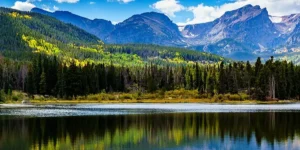
Rocky Mountain National Park is one of the most spectacular national parks in the United States. Located in north-central Colorado, the park covers more than 415 square miles of rugged mountain peaks, alpine lakes, dense forests, wildflower-filled meadows, and abundant wildlife. With elevations ranging from approximately 7,800 feet to over 14,000 feet, the park offers breathtaking scenery and unforgettable outdoor adventures throughout the year.
Whether you’re looking for scenic drives, challenging hikes, wildlife photography, or a peaceful escape into nature, Rocky Mountain National Park has something for every traveler. This guide covers the park’s top attractions, hiking trails, travel tips, and the best times to visit.
Why Visit Rocky Mountain National Park?
Rocky Mountain National Park is famous for its alpine landscapes and outdoor recreation opportunities.
Visitors can enjoy:
- Towering mountain peaks
- Scenic alpine drives
- Crystal-clear lakes
- Waterfalls
- Wildlife viewing
- Hiking trails
- Camping
- Fishing
- Photography
- Stargazing
With over 350 miles of hiking trails, it is one of America’s top destinations for outdoor enthusiasts.
Top Attractions
Trail Ridge Road
Trail Ridge Road is one of the highest paved highways in North America, reaching an elevation of 12,183 feet.
Highlights include:
- Alpine Visitor Center
- Forest Canyon Overlook
- Milner Pass
- Numerous scenic pullouts
- Panoramic mountain views
This spectacular drive usually opens from late May through October, depending on snowfall.
Bear Lake
Bear Lake is one of the park’s most visited destinations and serves as the starting point for several popular hiking trails.
Activities include:
- Easy lakeside walks
- Photography
- Wildlife spotting
- Snowshoeing during winter
The calm waters beautifully reflect the surrounding mountain peaks.
Moraine Park
Moraine Park is well known for its open meadows and excellent opportunities to observe elk, especially during the autumn mating season.
It is also a great location for sunrise photography.
Alberta Falls
One of the park’s most accessible waterfalls, Alberta Falls can be reached via a relatively short and family-friendly hiking trail.
The 30-foot waterfall is especially impressive during late spring and early summer.
Best Hiking Trails
Rocky Mountain National Park offers trails for all skill levels.
Emerald Lake Trail
This popular hike passes Nymph Lake and Dream Lake before reaching the stunning Emerald Lake surrounded by towering peaks.
Sky Pond Trail
A challenging but rewarding hike featuring waterfalls, alpine lakes, and incredible mountain scenery.
Deer Mountain Trail
Ideal for visitors seeking panoramic views without tackling the park’s most difficult hikes.
Gem Lake Trail
A moderate hike offering unique rock formations and scenic overlooks.
Wildlife Viewing
The park is home to an impressive variety of wildlife.
Common sightings include:
- Elk
- Moose
- Mule deer
- Bighorn sheep
- Black bears
- Coyotes
- Marmots
- Golden eagles
The early morning and evening hours provide the best wildlife viewing opportunities.
Always maintain a safe distance and never feed wild animals.
Best Time to Visit
Spring (April–May)
- Melting snow
- Wildflowers begin to bloom
- Fewer visitors
Summer (June–August)
- All major hiking trails open
- Warm daytime temperatures
- Peak tourist season
Fall (September–October)
- Golden aspen trees
- Elk rutting season
- Cooler hiking weather
Winter (November–March)
- Snowshoeing
- Cross-country skiing
- Winter photography
- Peaceful landscapes
Fall is often considered one of the most beautiful times to visit due to colorful foliage and active wildlife.
Where to Stay
Visitors can choose from several accommodation options.
Inside and near the park:
- Estes Park hotels
- Grand Lake lodges
- Moraine Park Campground
- Glacier Basin Campground
- Timber Creek Campground
- Vacation cabins
Booking accommodations well in advance is highly recommended during summer.
Travel Tips
To make the most of your visit:
- Arrive early to secure parking at popular trailheads.
- Carry plenty of drinking water, as high elevation increases the risk of dehydration.
- Wear layered clothing because mountain weather changes quickly.
- Check Trail Ridge Road conditions before traveling.
- Bring sunscreen and sunglasses, even on cooler days.
- Download offline maps due to limited cell service.
- Respect wildlife and follow Leave No Trace principles.
If you’re visiting from lower elevations, consider spending your first day taking it easy to help your body adjust to the altitude.
Photography Tips
Rocky Mountain National Park offers endless opportunities for photography.
The best locations include:
- Bear Lake at sunrise
- Dream Lake reflections
- Trail Ridge Road overlooks
- Moraine Park during elk season
- Alpine Visitor Center
- Forest Canyon Overlook
Golden hour lighting creates spectacular mountain landscapes.
Nearby Attractions
If you have extra time, explore these nearby destinations:
- Estes Park
- Grand Lake
- Roosevelt National Forest
- Peak to Peak Scenic Byway
- Boulder, Colorado
These locations add even more variety to your Colorado adventure.
Conclusion
Rocky Mountain National Park is one of the crown jewels of the American National Park System. From the breathtaking heights of Trail Ridge Road and the peaceful waters of Bear Lake to the alpine hiking trails and abundant wildlife, every corner of the park offers unforgettable experiences. Whether you’re an avid hiker, wildlife enthusiast, photographer, or family traveler, Rocky Mountain National Park provides the perfect blend of adventure and natural beauty. Add it to your USA travel itinerary, and you’ll discover why millions of visitors return to this remarkable destination year after year.


Newsletter