

Great Smoky Mountains National Park Guide

Great Smoky Mountains National Park Guide
Great Smoky Mountains National Park is the most visited national park in the United States, attracting millions of visitors each year with its breathtaking mountain scenery, ancient forests, cascading waterfalls, abundant wildlife, and over 850 miles of hiking trails. Straddling the border of Tennessee and North Carolina, the park covers more than 522,000 acres and is recognized as a UNESCO World Heritage Site and an International Biosphere Reserve.
Whether you’re planning a family vacation, a scenic road trip, or a hiking adventure, Great Smoky Mountains National Park offers unforgettable experiences in every season. This guide covers the park’s top attractions, hiking trails, travel tips, lodging, and the best time to visit.
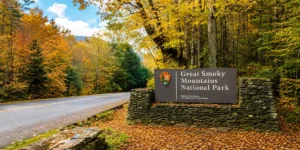
Why Visit Great Smoky Mountains National Park?
The Smokies are famous for their mist-covered peaks, rich biodiversity, and diverse outdoor activities.
Visitors can enjoy:
- Scenic mountain drives
- Waterfalls
- Historic cabins
- Wildlife viewing
- Hiking trails
- Wildflower displays
- Camping
- Fishing
- Horseback riding
- Stunning fall foliage
The park is home to more than 19,000 documented species, making it one of the most biologically diverse areas in North America.
Top Attractions
Clingmans Dome
At 6,643 feet, Clingmans Dome is the highest point in the park.
A short paved trail leads to the observation tower, offering panoramic views of the Smoky Mountains stretching across several states.
On clear days, visitors can see up to 100 miles.
Cades Cove
One of the park’s most popular destinations, Cades Cove is an 11-mile scenic loop surrounded by mountains.
Visitors often spot:
- Black bears
- White-tailed deer
- Wild turkeys
- Coyotes
- Historic churches
- Pioneer cabins
- Old grist mills
Early mornings provide the best wildlife viewing opportunities.
Roaring Fork Motor Nature Trail
This scenic one-way drive passes waterfalls, historic buildings, mountain streams, and beautiful forests.
It’s especially popular during spring and fall.
Newfound Gap
Located along Newfound Gap Road, this mountain pass offers spectacular views and marks the Tennessee–North Carolina border.
It also provides access to a section of the famous Appalachian Trail.
Best Hiking Trails
Great Smoky Mountains National Park offers hiking opportunities for all skill levels.
Alum Cave Trail
One of the park’s most popular hikes, leading to dramatic rock formations and serving as the route to Mount LeConte.
Laurel Falls Trail
A short, paved trail leading to one of the park’s most photographed waterfalls.
Ideal for families and beginner hikers.
Abrams Falls Trail
Although the waterfall is only 20 feet tall, its powerful flow makes it one of the park’s highlights.
Chimney Tops Trail
A steep but rewarding hike offering breathtaking mountain views.
Visitors should always check current trail conditions before hiking.
Waterfalls
The Smokies are home to more than 100 waterfalls.
Popular waterfalls include:
- Laurel Falls
- Abrams Falls
- Rainbow Falls
- Grotto Falls
- Ramsey Cascades
Spring is the best season to see waterfalls at their fullest.
Wildlife Viewing
The park supports an impressive variety of wildlife.
Common sightings include:
- Black bears
- Elk
- White-tailed deer
- Wild turkeys
- Bobcats
- Coyotes
- Red foxes
- Salamanders
The Smokies are often called the “Salamander Capital of the World.”
Always observe wildlife from a safe distance and never feed animals.
Scenic Drives
Some of the park’s best scenic drives include:
- Newfound Gap Road
- Cades Cove Loop Road
- Roaring Fork Motor Nature Trail
- Foothills Parkway
Each route offers unique mountain scenery and excellent photography opportunities.
Best Time to Visit
Spring (March–May)
- Wildflowers bloom
- Mild temperatures
- Active waterfalls
Summer (June–August)
- Ideal for hiking
- Full access to park facilities
- Larger crowds
Fall (September–November)
- Spectacular autumn colors
- Cooler temperatures
- Excellent wildlife viewing
Winter (December–February)
- Peaceful landscapes
- Snow at higher elevations
- Fewer visitors
Fall is widely considered the most beautiful season due to vibrant foliage.
Where to Stay
Visitors can choose from:
- Gatlinburg hotels
- Pigeon Forge resorts
- Cherokee accommodations
- Park campgrounds
- Cabins near the park
- RV parks
Reservations should be made early during peak travel seasons.
Travel Tips
To make the most of your visit:
- Start your day early to avoid traffic.
- Bring layers, as temperatures vary with elevation.
- Carry a reusable water bottle.
- Wear sturdy hiking shoes.
- Download offline maps.
- Purchase a parking tag if required.
- Respect wildlife and Leave No Trace principles.
Nearby Attractions
Extend your trip by visiting:
- Gatlinburg
- Pigeon Forge
- Dollywood
- Blue Ridge Parkway
- Cherokee, North Carolina
These nearby destinations offer additional entertainment, shopping, and outdoor activities.
Conclusion
Great Smoky Mountains National Park is one of America’s greatest natural treasures. With its breathtaking mountain vistas, peaceful forests, historic sites, scenic drives, and abundant wildlife, it offers something for every type of traveler. Whether you’re hiking to waterfalls, spotting black bears in Cades Cove, driving through colorful fall landscapes, or simply enjoying the mountain air, the Smokies provide unforgettable experiences year-round. A visit to this remarkable national park is an essential addition to any USA travel itinerary.


Newsletter