

Best National Parks for Photography

Best National Parks for Photography
Photography and travel go hand in hand, and few destinations inspire photographers more than America’s national parks. From dramatic mountain peaks and colorful canyons to ancient forests, waterfalls, glaciers, deserts, and rugged coastlines, the United States offers an incredible variety of landscapes that attract both amateur and professional photographers throughout the year.
With 63 national parks spread across diverse ecosystems, every photographer can find unique opportunities to capture breathtaking scenery, wildlife, seasonal colors, and unforgettable moments. Whether you’re using a professional DSLR, a mirrorless camera, or simply a smartphone, America’s national parks provide endless inspiration.
This guide highlights the best national parks for photography in the USA, along with practical tips to help you capture your best images.
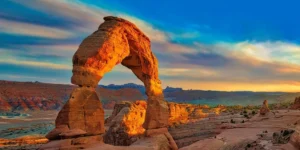
Why National Parks Are Perfect for Photography
National parks preserve some of the country’s most spectacular landscapes, offering natural light, diverse scenery, and abundant wildlife.
Photography opportunities include:
- Mountain landscapes
- Waterfalls
- Sunrise and sunset views
- Wildlife photography
- Night sky photography
- Forests and lakes
- Coastal scenery
- Seasonal foliage
- Desert landscapes
Every season transforms the parks into a completely different photographic experience.
1. Yosemite National Park, California
Yosemite is one of the world’s greatest landscape photography destinations.
Best Photography Locations
- Tunnel View
- Glacier Point
- Yosemite Falls
- El Capitan
- Half Dome
- Valley View
Spring offers dramatic waterfalls, while autumn provides colorful foliage and fewer crowds.
2. Grand Canyon National Park, Arizona
The Grand Canyon’s massive scale and colorful rock formations create spectacular photographic opportunities.
Top viewpoints include:
- Mather Point
- Hopi Point
- Yavapai Point
- Desert View Watchtower
- Lipan Point
Sunrise and sunset provide the most dramatic lighting.
3. Yellowstone National Park
Yellowstone combines extraordinary landscapes with outstanding wildlife photography.
Popular subjects include:
- Old Faithful
- Grand Prismatic Spring
- Mammoth Hot Springs
- Bison
- Wolves
- Bears
- Waterfalls
Lamar Valley is especially popular among wildlife photographers.
4. Glacier National Park
Glacier’s alpine scenery attracts photographers from around the world.
Must-photograph locations:
- Going-to-the-Sun Road
- Logan Pass
- Lake McDonald
- Wild Goose Island
- Grinnell Glacier
Morning reflections on the lakes create stunning compositions.
5. Zion National Park
Zion’s towering sandstone cliffs and narrow canyons create dramatic landscape images.
Photography highlights:
- Angels Landing
- The Narrows
- Canyon Overlook
- Emerald Pools
- Watchman Peak
Golden hour enhances the park’s vibrant red rock colors.
6. Olympic National Park
Olympic offers three unique ecosystems in one park.
Excellent photography subjects include:
- Hoh Rain Forest
- Hurricane Ridge
- Rialto Beach
- Ruby Beach
- Lake Crescent
The combination of mountains, forests, and coastline provides endless creative possibilities.
7. Acadia National Park
Acadia is one of America’s finest coastal photography destinations.
Top locations include:
- Cadillac Mountain
- Jordan Pond
- Thunder Hole
- Bass Harbor Head Lighthouse
- Otter Cliffs
Autumn foliage adds extra color to coastal landscapes.
8. Arches National Park
The red rock formations of Arches create unforgettable desert photography.
Best locations:
- Delicate Arch
- Landscape Arch
- Double Arch
- Balanced Rock
- Devil’s Garden
Night photography is exceptional thanks to the park’s dark skies.
Best Time for Photography
Spring
- Wildflowers
- Powerful waterfalls
- Fresh greenery
Summer
- Long daylight hours
- Mountain access
- Clear skies
Fall
- Vibrant foliage
- Comfortable temperatures
- Beautiful sunrise lighting
Winter
- Snow-covered landscapes
- Fewer visitors
- Dramatic contrasts
Every season offers unique photographic opportunities.
Photography Tips
To improve your photos:
- Shoot during sunrise or sunset.
- Use a tripod for low-light conditions.
- Bring extra batteries.
- Carry additional memory cards.
- Use a polarizing filter for lakes and skies.
- Check weather forecasts before visiting.
- Explore less crowded viewpoints.
- Practice patience while waiting for the perfect light.
Recommended Photography Gear
Pack:
- DSLR or mirrorless camera
- Wide-angle lens
- Telephoto lens
- Tripod
- Lens cleaning kit
- Extra batteries
- Memory cards
- Camera backpack
- Remote shutter release
Smartphones with advanced cameras can also capture impressive landscapes.
Responsible Photography
Help protect national parks by:
- Staying on designated trails.
- Never disturbing wildlife.
- Avoiding damage to plants or rock formations.
- Following park regulations.
- Respecting other visitors.
Responsible photography helps preserve these landscapes for future generations.
Conclusion
America’s national parks are among the finest photography destinations in the world. Whether you’re capturing Yosemite’s granite cliffs, the vibrant colors of Yellowstone’s hot springs, the dramatic cliffs of Zion, or the rugged coastline of Acadia, every park offers extraordinary opportunities to create unforgettable images. With careful planning, the right equipment, and an appreciation for nature, your photography adventure through America’s national parks will produce memories—and photographs—that last a lifetime.


Newsletter