


Best National Parks for Wildlife Viewing
One of the most rewarding experiences in the United States is seeing wild animals in their natural habitat. America’s national parks protect millions of acres of forests, mountains, grasslands, deserts, wetlands, and coastlines, providing safe environments for thousands of species. Whether you’re hoping to spot grizzly bears roaming through alpine meadows, herds of bison crossing open valleys, majestic elk grazing in mountain forests, or bald eagles soaring above pristine lakes, the U.S. National Park System offers unmatched wildlife viewing opportunities.
For photographers, birdwatchers, and nature lovers, wildlife encounters often become the highlight of any national park adventure. While every park has unique ecosystems and native species, some destinations are particularly famous for their exceptional wildlife populations. This guide explores the best national parks for wildlife viewing in the USA and offers practical tips to help you observe animals safely and responsibly.
Why Visit National Parks for Wildlife Viewing?
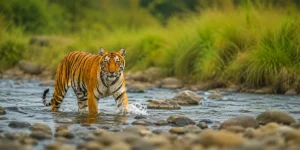
National parks provide protected habitats where animals can thrive with minimal human interference. Unlike zoos or wildlife parks, visitors have the opportunity to witness animals behaving naturally in their own environments.
Benefits of wildlife viewing include:
- Observing animals in their natural habitats
- Outstanding photography opportunities
- Learning about conservation efforts
- Experiencing diverse ecosystems
- Creating unforgettable travel memories
Always remember that wildlife sightings are never guaranteed, making every encounter even more special.
1. Yellowstone National Park
Yellowstone National Park is widely considered the best wildlife destination in the United States. Covering more than two million acres, it supports one of the largest concentrations of large mammals in North America.
Common wildlife includes:
- American bison
- Grizzly bears
- Black bears
- Gray wolves
- Elk
- Moose
- Coyotes
- Bald eagles
- Pronghorn antelope
Best Wildlife Viewing Areas
- Lamar Valley
- Hayden Valley
- Mammoth Hot Springs
- Yellowstone Lake
Early mornings and evenings provide the highest chances of seeing active wildlife.
2. Glacier National Park
Montana’s Glacier National Park offers spectacular mountain scenery alongside abundant wildlife.
Animals frequently spotted include:
- Mountain goats
- Bighorn sheep
- Grizzly bears
- Black bears
- Moose
- Wolverines (rare)
- Marmots
- Golden eagles
Logan Pass is one of the best locations for viewing mountain goats and bighorn sheep.
3. Great Smoky Mountains National Park
America’s most visited national park is also home to remarkable wildlife diversity.
Visitors commonly encounter:
- Black bears
- White-tailed deer
- Elk
- Wild turkeys
- Bobcats
- Coyotes
- Red foxes
- Salamanders
Cades Cove is one of the park’s premier wildlife viewing destinations.
4. Grand Teton National Park
Located just south of Yellowstone, Grand Teton offers outstanding opportunities to observe wildlife against breathtaking mountain scenery.
Popular animals include:
- Moose
- Elk
- Bison
- Grizzly bears
- Black bears
- Bald eagles
- Trumpeter swans
The Snake River and Oxbow Bend are excellent locations for photography.
5. Olympic National Park
Olympic National Park’s diverse ecosystems support an impressive variety of wildlife.
You may see:
- Roosevelt elk
- Black bears
- River otters
- Harbor seals
- Sea lions
- Gray whales (seasonal)
- Bald eagles
Coastal areas provide excellent marine wildlife viewing opportunities.
6. Everglades National Park
Located in southern Florida, Everglades National Park is unlike any other national park in America.
Wildlife highlights include:
- American alligators
- American crocodiles
- Florida panthers (extremely rare)
- Manatees
- Roseate spoonbills
- Great blue herons
- River otters
Boat tours and boardwalk trails provide excellent wildlife viewing opportunities.
7. Denali National Park
Although located in Alaska, Denali deserves recognition as one of North America’s greatest wildlife destinations.
Visitors may encounter:
- Grizzly bears
- Wolves
- Caribou
- Dall sheep
- Moose
- Red foxes
- Golden eagles
The vast wilderness provides an authentic wildlife experience.
Best Time for Wildlife Viewing
Different seasons offer different opportunities.
Spring
- Baby animals
- Active bears
- Migratory birds
Summer
- Excellent birdwatching
- Active mammals
- Longer daylight hours
Fall
- Elk mating season
- Colorful landscapes
- Comfortable temperatures
Winter
- Wolves easier to spot
- Snow-covered scenery
- Smaller crowds
Early morning and sunset remain the best times regardless of season.
Wildlife Viewing Tips
To maximize your chances of seeing animals:
- Arrive early in the morning.
- Stay quiet and patient.
- Bring binoculars.
- Carry a telephoto camera lens.
- Follow park ranger recommendations.
- Watch from designated viewing areas.
- Respect wildlife at all times.
Never approach, feed, or attempt to touch wild animals.
Wildlife Safety
Safety is essential when observing wildlife.
Always:
- Stay at least 25 yards from most animals.
- Stay at least 100 yards from bears and wolves.
- Keep children close.
- Store food properly.
- Carry bear spray where recommended.
- Remain inside your vehicle if wildlife approaches roads.
Remember that these are wild animals capable of unpredictable behavior.
Essential Gear
Bring:
- Binoculars
- Camera with zoom lens
- Field guide
- Comfortable hiking shoes
- Water bottle
- Sunscreen
- Hat
- Backpack
- Rain jacket
The right equipment enhances your wildlife viewing experience.
Conclusion
America’s national parks provide some of the finest wildlife viewing opportunities anywhere in the world. Whether you’re watching wolves roam Yellowstone, photographing mountain goats in Glacier, spotting elk in the Great Smoky Mountains, or observing alligators in the Everglades, each park offers unforgettable encounters with nature. By respecting wildlife, following park regulations, and visiting during the best seasons, you’ll enjoy incredible experiences while helping protect these remarkable ecosystems for future generations. Wildlife viewing isn’t just about seeing animals—it’s about connecting with the wild landscapes that make the United States one of the world’s greatest outdoor destinations.


Newsletter